
Precision
Insert Molding
Services
We seamlessly integrate metal, ceramic, or plastic inserts into robust thermoplastic components, creating durable, multi-functional parts ready for assembly.
Robotic & Manual Insertion | Metal & Plastic Expertise | ISO 9001 Certified


What is Insert Molding?
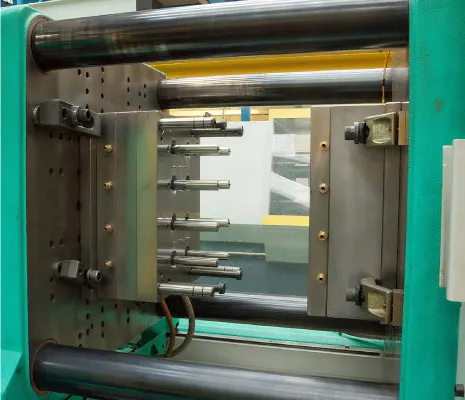
Combining Strength and Versatility in a Single Step
Insert molding is a highly efficient manufacturing process where a pre-formed component, known as an “insert,” is placed into a custom mold. Molten thermoplastic is then injected into the mold, flowing around the insert to create a single, integrated part. This process eliminates the need for post-molding assembly, creating a stronger mechanical bond and reducing overall costs.
Unlocking New
Design Possibilities
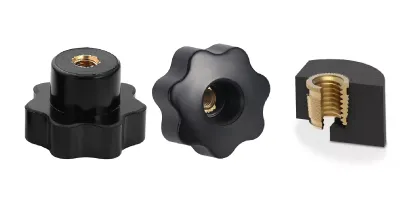
Durable Threaded Fasteners
Embeds metal nuts, screws, and threaded inserts into plastic housings, providing robust and reusable connection points.
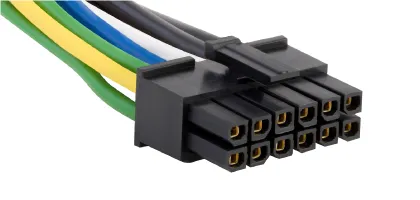
Encapsulated Electronics & Connectors
Protects pins, terminals, and entire circuit boards from shock, vibration, and moisture, ensuring high reliability.
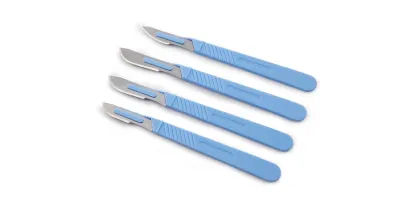
Integrated Mechanical Assemblies
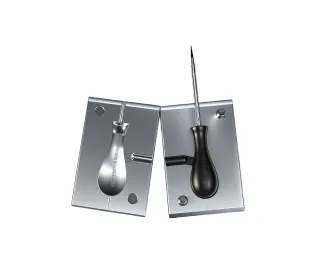
Combines shafts, pins, and blades with lightweight, ergonomic plastic handles for medical, industrial, and consumer goods.
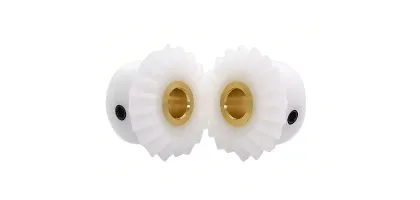
Wear-Resistant Bearing Surfaces
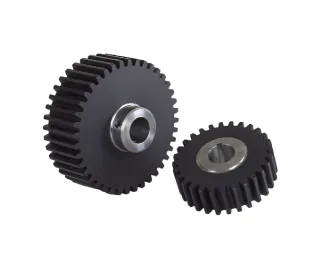
Adds hardened steel or bronze bushings to plastic gears and rotating parts to drastically increase their lifespan and performance.
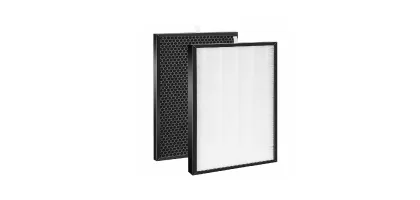
Combined Material Filters
Integrates wire mesh or fabric filters directly into plastic frames for automotive, appliance, and medical applications.
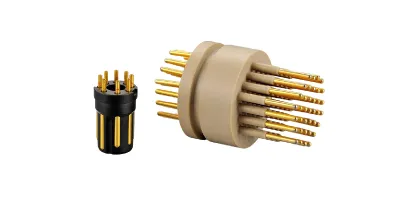
Electrical Contacts & Conductors
Molds conductive pathways and contact points directly into insulating plastic housings for sensors and switches.
The RAPMAF
Manufacturing Advantage in Insert Molding
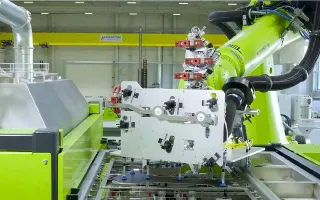
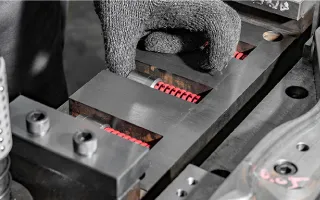
Precision Insert Placement
We utilize both high-speed robotic automation and skilled manual placement to ensure every insert is positioned with extreme accuracy and consistency, preventing part failure.
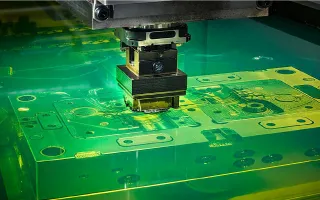
Insert Integrity Protection
Our DFM process and controlled injection pressures prevent damage, displacement, or “flashing” over the inserts, safeguarding their functionality.
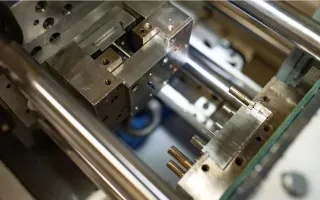
Advanced Tool & Mold Design
We design robust molds with features to securely hold inserts in place during the high-pressure injection process, guaranteeing part quality and dimensional stability
Comprehensive Material Expertise
We guide you in selecting the ideal plastic and insert materials to manage thermal expansion differences and achieve a powerful, lasting mechanical bond.
Our In-Depth Insert Molding Capabilities
From simple threaded inserts to complex encapsulated electronics, we have the technology and expertise to deliver. Review our technical capabilities below.
| Feature | Specification / Description |
|---|---|
Insertion Methods |
Robotic Automation (for high volume) & Manual Placement (for complex/low volume) |
Molding Machine |
Vertical & Horizontal Injection Molding Machines |
Insert Materials |
Metals: Brass, Stainless Steel, Carbon Steel, Aluminum
Plastics: Pre-molded rigid plastics
Others: Ceramics, Circuit Boards, Wire Mesh, Magnets |
Molding Plastics |
ABS, PC, Nylon (PA), PBT, Acetal (POM), PP, PEEK, Ultem, PPS |
Part Size Range |
From tiny connectors to large housings up to 500mm |
Positional Tolerance of Insert |
As tight as ±0.05 mm (dependent on part design and tooling) |
Tooling Options |
Prototype Tooling (Aluminum, ~5k-10k shots), Production Tooling (P20, H13 Steel, ~1M+ shots) |
Annual Volume |
From 250 to 1,000,000+ parts |
Standard Lead Time |
Tooling: 3-5 weeks |
Quoting Time |
Within 24 hours, including free DFM feedback on your insert design |

Step 1
Design & DFM Analysis – Upload your CAD files. Our engineers analyze the design for optimal manufacturability and bond strength.

Step 2
Tooling & Insert Sourcing – We fabricate the precision mold while you source the inserts (or we can manage sourcing for you).

Step 3
First Article & Molding – We produce T1 samples for your approval, then launch full production with rigorous in-process checks.

Step 4
Quality Control & Delivery- We perform 100% inspection on critical features, package securely, and ship your finished parts.
From Concept to
component in 4 Steps
Material Selection for Insert Molding
We offer a wide range of high-quality plastic resins for injection molding, carefully selected to ensure optimal strength, durability, and performance. Our material options are designed to meet specific performance needs, including heat resistance, chemical stability, and flexibility.
| Insert Material | Recommended Overmolding Plastics | Key Considerations |
|---|---|---|
Brass / Aluminum |
ABS, PC, Nylon, Acetal (POM), PP |
Excellent machinability for threads. Requires mechanical interlocks (knurling, grooves). |
Stainless Steel / Carbon Steel |
Nylon (PA), PEEK, PBT, PPS |
High strength and temperature resistance. Must be designed for strong mechanical lock. |
Ceramics |
PEEK, Ultem, PPS |
Provides excellent electrical insulation and wear resistance. Requires careful handling and thermal management. |
Rigid Plastics (PC, PEEK) |
Compatible softer plastics (TPE, TPU) |
Can achieve chemical bonds if materials are compatible (similar to overmolding). |
Circuit Boards (FR-4) |
Nylon, PC/ABS, PBT |
Low injection pressure is critical to prevent damage. Used for encapsulation. |
If your project requires a specific resin not listed here, our engineering team can source and process it to meet your exact specifications.
Finishing Options for Molded Parts
We offer a wide range of finishes for the plastic component to meet your aesthetic and functional requirements.
Mold-Tech® Textures
Apply any standard Mold-Tech or VDI texture to the mold cavity, creating finishes from fine matte to coarse leather grains on the plastic surface.

High-Gloss Polish
For a premium, consumer-facing look, we can polish the mold to an SPI-A1 level, resulting in a mirror-like plastic finish.
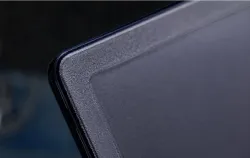
Matte / Satin Finish
A smooth, non-glare finish (SPI-B1 to C1) provides a clean, modern look and can help hide minor imperfections.
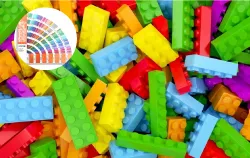
Custom Color Matching
We can match any Pantone or RAL color for the thermoplastic material, ensuring perfect brand consistency for your product.
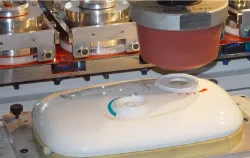
Pad Printing
Apply durable logos, instructions, or graphics onto the finished part in single or multiple colors after molding.
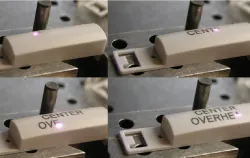
Laser Engraving
Permanently mark your plastic parts with logos, serial numbers, or QR codes with extreme precision without damaging the insert.
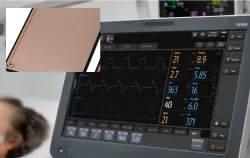
EMI / RFI Shielding
We can apply conductive coatings to the interior of plastic housings to shield sensitive encapsulated electronics.
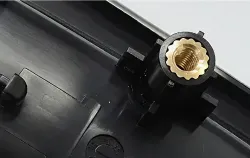
Assembly Services
Beyond molding, we offer light assembly services, such as adding gaskets, labels, or mating components to your finished parts.
Industries We Serve
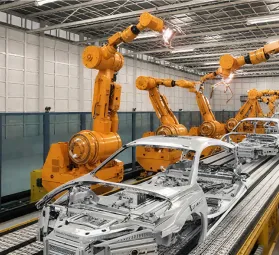
We assemble complex robotic arms,end-effectors, and control boxes,integrating motors,sensors, and wiring
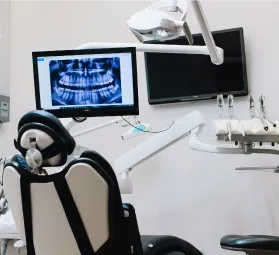
We build diagnostic equipment and lab instruments in a controlled environment,adhering to strict quality and documentation standards.
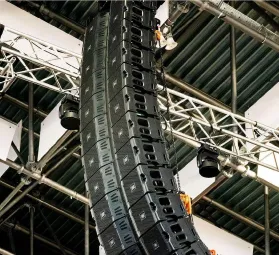
We provide final assembly for high-end audio equipment, smart home devices,and other consumer products ready for market.

We assemble ruggedized enclosures,mil-spec connectors,and mission-critical hardware with full traceability and documentation.
Showcase of Our Insert Molded Parts
From simple to complex, we deliver robust and reliable components. Explore a selection of parts that demonstrate our precision.
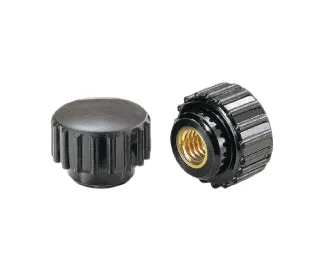
Part Name
Material
Finish
Industry
: Control Knob
: Knurled Brass Insert
: Glass-filled Nylon
: Industrial
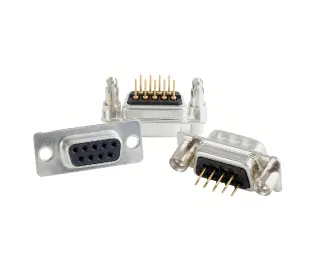
Part Name
Material
Finish
Industry
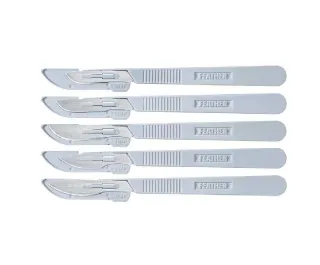
Part Name
Material
Finish
Industry
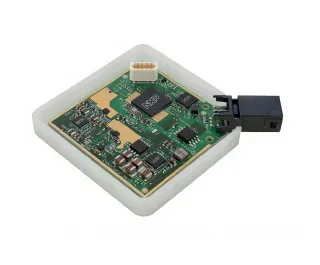
Part Name
Material
Finish
Industry
Part Name
Material
Finish
Industry
Part Name
Material
Finish
Industry
Part Name
Material
Finish
Industry
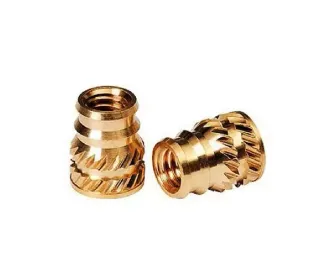
: Laptop Fastening Point
: Micro Brass Insert
: ABS/PC
: Consumer Electronics
Part Name
Material
Finish
Industry
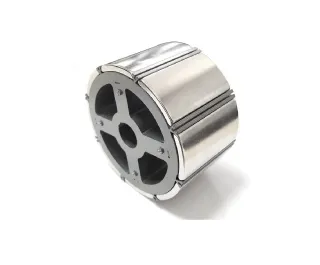
: Motor Rotor
: Neodymium Magnets
: PPS
: Industrial Automation
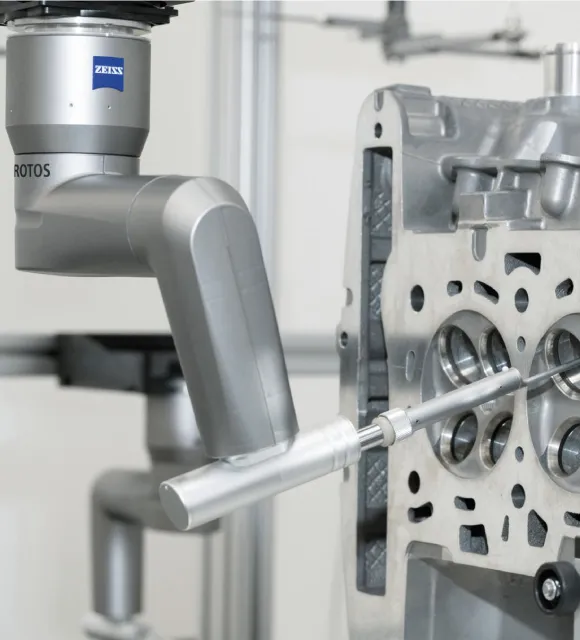
Ensuring Perfect Insert Positioning & Bond Strength
The success of an insert-molded part depends on the precise location and security of the insert. Our quality protocol includes CMM inspection to verify insert position to within microns, and pull-out force testing to validate the mechanical bond strength. We ensure your parts function flawlessly from the first to the last.
From Our
Learning Center
Ultimate Resin Mold Making Guide: Fix Bubbles, Non-Curing, Sticking
Hi there, I’m Clive. For the better part of three decades, I’ve been working with polymers that you can pour from a bottle. I’ve seen
Top 5 Insert Molding Buying Mistakes & How to Avoid Them
Go pick up a good screwdriver. Not a cheap one, but a quality tool from a brand you trust. Feel the plastic or rubber handle.
We guarantee that all the files and pictures you upload will be kept confidential and no customer personal information will be disclosed.
We understand you may have questions about our 5-axis machining services. Here are answers to some common inquiries to help you get started.
While our core expertise is molding, we offer flexible solutions. Clients can free-issue the inserts to us, or we can manage the entire supply chain, sourcing high-quality inserts from our trusted partners on your behalf.
Knurling is a pattern of straight or angled ridges pressed into a metal insert. This rough texture creates a strong mechanical interlock when the plastic flows into it, dramatically increasing resistance to both pull-out and torque.
We design the mold with precision shut-off features. This means the steel of the mold seals tightly against the insert, creating a barrier that prevents plastic from flowing into areas like threads or other critical features.
For robust inserts like metal and ceramics, this is rarely an issue. For sensitive inserts like electronics or magnets, we use specialized low-temperature molding resins and carefully control injection speed and pressure to prevent any thermal damage.
While the initial tooling can be more complex, insert molding is often more cost-effective in the long run. It eliminates the labor and time of post-molding assembly, reduces the number of SKUs, and results in a stronger, more reliable final product.
Flashing is a thin layer of unwanted plastic that seeps out between the mold and the insert. It’s caused by an imperfect seal and is something we prevent through high-precision mold making and rigorous process control.
In insert molding, a solid, pre-made part (often metal) is placed in the mold first. In overmolding, a pre-molded plastic part (the substrate) is placed in a second mold to have another plastic (often soft) molded onto it.
Yes, vertical presses are often ideal for insert molding. They allow gravity to help hold the insert securely in the bottom half of the mold, making manual or robotic placement easier and more reliable.
We achieve precision through a combination of robust mold design with custom nests or pins to hold the insert, and automated robotic placement. For final verification, our CMM machines confirm the position of the insert on the final part.
Glass-filled plastics like Nylon (PA) and PBT are excellent choices for molding over steel inserts. The glass fibers reduce the plastic’s overall shrinkage rate, minimizing stress on the insert as the part cools and leading to a more stable assembly.
Absolutely, this is a classic application of insert molding. We can mold a durable and ergonomic plastic handle directly onto a pre-made knife blade or any other type of metal tool shaft.
The achievable pull-out force depends entirely on the design of the insert and part (e.g., knurling, geometry, plastic material). As part of our DFM process, we can estimate the performance and conduct physical pull-out tests to validate the final bond strength.
Yes, but it requires special care. We must use lower molding temperatures to avoid demagnetizing the insert (exceeding its Curie temperature). We select appropriate low-temperature plastics and control the process carefully.
Our standard lead time for a production-quality insert mold is typically between 3 and 5 weeks. This is often faster than industry averages because we specialize in efficient tool design and fabrication.
Ready to Start Your Project?
Get a free quote and design for manufacturability analysis,